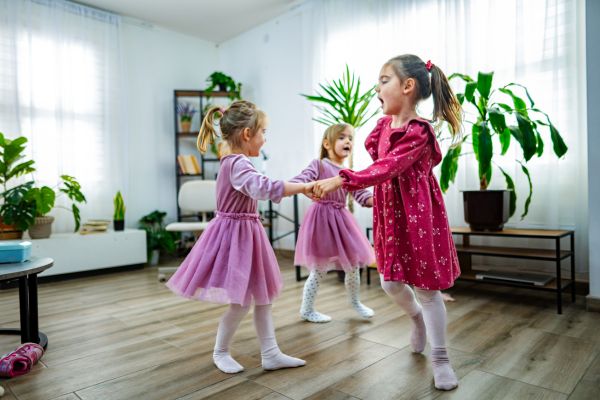

Creating indoor play spaces can sound like a project reserved for large homes, dedicated playrooms, or carefully styled interiors. In reality, a useful play area can fit into almost any home. It may occupy one end of a living room, a quiet corner beneath the stairs, part of a child’s bedroom, or even a section of a hallway that was previously unused.
The most successful play spaces are rarely the most elaborate ones. They are places where children can reach what they need, move safely, experiment freely, and put at least some things away without adult help. A room filled with expensive toys is not automatically inviting. Sometimes, a soft rug, a basket of building blocks, a small table, and enough open floor space are far more effective.
The aim is to create an environment that supports play without allowing toys to take over the entire home. That balance takes a little thought, but it does not require perfection.
Begin With the Space You Actually Have
Before planning furniture, storage, or decoration, look honestly at the available area. A play space should fit naturally into family life rather than making the rest of the room difficult to use.
In a small home, this may mean choosing one defined corner instead of trying to create a complete playroom. A rug can visually separate the area from the rest of a living room. A low shelf placed against the wall can hold toys while also acting as a gentle boundary. Even a folding play mat that is stored at the end of the day can create a temporary zone for movement and imaginative games.
Pay attention to how people already move through the room. Avoid placing play furniture in busy walkways or close to doors that need to open fully. Children need enough room to spread out, but adults also need to move around without stepping over train tracks, puzzle pieces, or stuffed animals.
A practical layout often begins with observing the household for a few days. Notice where children naturally gather, where daylight is strongest, and which corners are usually ignored. The best location may already be obvious.
Think About How Children Like to Play
Creating indoor play spaces becomes easier when the design begins with activities rather than objects. Instead of asking how many toys will fit, think about what children actually enjoy doing.
Some children spend long periods building, sorting, drawing, or working on puzzles. Others prefer energetic play, role-playing, music, or creating elaborate imaginary worlds. A useful play area should reflect these habits while leaving room for interests to change.
A small table may support crafts, board games, and pretend cafés. Open floor space can become a building site, a reading camp, or a stage. A basket of dress-up clothing can inspire more play than a large plastic toy with only one purpose.
It is not necessary to provide a separate station for every activity. Flexible areas usually work better. Furniture that can serve more than one purpose keeps the room adaptable and prevents it from feeling crowded.
Create Clear Zones Without Overcomplicating the Room
Even a compact space benefits from a sense of order. Children often play more independently when they can understand what each part of the room is for.
A soft corner with cushions and books can become a reading area. A washable table can support painting, modelling clay, and simple crafts. A clear patch of floor can be left open for blocks, vehicles, and movement. These zones do not need walls, labels, or elaborate signs. A change in flooring, a small rug, or the placement of furniture may be enough.
Try not to divide the room into too many sections. Over-designed spaces can become visually busy and strangely restrictive. Children frequently combine activities anyway. A book becomes part of a game, cushions turn into a fort, and the craft table becomes a veterinary clinic for stuffed animals.
The space should offer gentle structure without telling children exactly how every object must be used.
Choose Storage Children Can Manage
Storage is one of the most important parts of creating indoor play spaces, but it should be designed for children rather than only for adults.
Deep toy boxes may hide clutter quickly, yet they often make it difficult to find anything. Children pull everything out while searching for one small item, and tidying becomes overwhelming. Smaller baskets, shallow bins, trays, and low shelves usually work better because the contents remain visible and accessible.
Keep frequently used items within easy reach. Heavy objects should stay close to the floor, while materials that need supervision can be stored higher up. Clear containers can help, although too many of them may make the room feel like a storage unit. Woven baskets, fabric bins, wooden boxes, and open shelves can create a softer appearance.
Simple picture labels can help younger children remember where things belong. The system does not have to be exact. Broad categories such as blocks, animals, art supplies, and dress-up clothes are often enough.
Most importantly, leave some empty space. Storage filled to the edge is hard to maintain. A little breathing room makes tidying faster and allows new interests to enter without creating immediate clutter.
Rotate Toys Instead of Displaying Everything
Too many choices can make play feel scattered. When every toy is visible at once, children may move rapidly from one item to another without becoming deeply involved in anything.
Toy rotation offers a simple solution. Keep a manageable selection available and store the rest elsewhere. After a few weeks, exchange some items. Toys that had been ignored often feel new again after spending time out of sight.
Rotation does not need to follow a strict schedule. Watch what is being used and what is gathering dust. Keep favourite comfort items accessible, but remove duplicates, broken toys, and materials that no longer suit the child’s age or interests.
This approach also makes cleaning easier. Fewer items on the shelves create a calmer visual environment and give children more room to invent their own games.
Include Space for Movement
Indoor play is not always quiet. Children need opportunities to stretch, climb, balance, dance, and release energy, especially during bad weather or long days at home.
The kind of movement area you create will depend on the size of the room and the age of the child. A foam mat, a small tunnel, floor cushions, stepping stones, or a low balance beam can offer physical challenges without requiring permanent equipment. Scarves, music, and an open floor may be all that is needed for dancing and active games.
Safety matters more than the number of activities. Keep movement away from sharp furniture corners, glass surfaces, unstable shelves, and hard objects. Secure tall furniture to the wall and regularly check equipment for loose parts or damage.
It is also worth remembering that children can create movement games from ordinary materials. Painter’s tape on the floor can become a path to follow. Cushions can form an obstacle course. A cardboard box can become almost anything.
Make Comfort Part of the Design
Children are more likely to remain in a play area when it feels comfortable. Hard floors, poor lighting, or furniture that is too large can make even a beautiful space uninviting.
Use a rug, padded mat, or washable floor covering to soften the area. Add cushions or a small chair for reading and quiet play. Natural light is ideal during the day, while warm lamps can make the space feel calmer in the evening.
Temperature matters too. A corner beside a cold window or directly under strong air conditioning may not be used as often as expected. The same is true of spaces that feel isolated from the rest of the household. Younger children often prefer to play close to adults, even when they are playing independently.
A comfortable play area does not need to look perfectly coordinated. It simply needs to feel pleasant enough for children to settle into their activities.
Use Materials That Can Handle Real Life
Play spaces are meant to be used, which means spills, fingerprints, scratches, and scattered art supplies are almost inevitable. Choosing durable materials reduces stress for everyone.
Washable rugs, wipe-clean paint, sturdy furniture, and removable cushion covers are practical choices. Avoid delicate finishes that require constant supervision. A table with a few marks may eventually become part of the room’s history, but it should still be easy to clean.
Art supplies deserve special consideration. Place paper, crayons, and washable materials where children can reach them, while keeping paint, glue, scissors, or smaller items in supervised storage when necessary.
The room should invite exploration without making adults nervous every time a cup tips over.
Allow the Space to Change Over Time
Children’s interests and abilities change quickly. A play space designed too specifically for one stage may become outdated within a year.
Choose adjustable or multipurpose furniture where possible. A low activity table can later become a homework surface. Book ledges can hold picture books now and chapter books later. Storage baskets can move from toys to sports equipment, craft materials, or school supplies.
Regularly review the area with the child. Ask what they still use, what feels difficult to reach, and what they would like to change. Children often have practical observations that adults miss.
The room does not need a complete makeover each year. Small adjustments can keep it useful and prevent it from becoming a forgotten corner filled with outgrown toys.
Keep the Space Connected to Family Life
A play area should support family routines rather than exist as a showroom that must remain untouched. Some days it will be tidy. On other days, a block city may cover the floor, blankets may hang between chairs, and half-finished artwork may need to remain on the table overnight.
That is not a design failure. It is evidence that the space is being used.
Creating indoor play spaces is ultimately about making room for curiosity, movement, concentration, and imagination. Good storage and thoughtful layouts certainly help, but the atmosphere matters just as much. Children need to feel that the space belongs to them and that their ideas are welcome there.
A practical play area grows with the household. It does not need to be large, expensive, or perfectly styled. It only needs to offer enough freedom for children to begin a game, follow an idea, and make the ordinary room around them feel like an entirely different world.