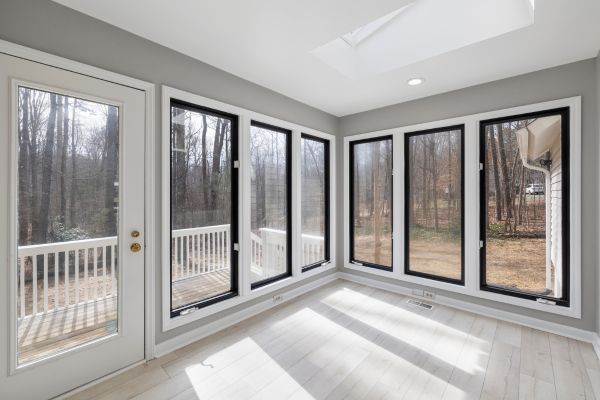

Windows do more than frame the view outside. They shape how a home feels in winter, how warm it gets in summer, how much outside noise enters the room, and even how often the heating or cooling system needs to work. For many homeowners, windows are also one of those features that only become noticeable when something is wrong. A cold draft near the sofa, condensation on the glass, a noisy street at night, or rising energy bills can all point back to poor window performance.
That is why the benefits of double glazed windows are worth understanding before planning a renovation or energy-saving upgrade. Double glazing is not just a modern home improvement trend. It is a practical design feature that helps control temperature, reduce energy waste, and make everyday living more comfortable.
What Double Glazed Windows Actually Do
A double glazed window is made with two panes of glass instead of one. Between those panes is a sealed gap, usually filled with air or an insulating gas such as argon. This gap acts as a barrier, slowing down the movement of heat from one side of the window to the other.
With single glazing, heat passes through glass quite easily. In colder months, warmth from inside the home escapes through the window. In warmer months, outdoor heat can move indoors more quickly. Double glazing helps reduce that transfer, creating a more stable indoor temperature.
It sounds simple, but the effect can be surprisingly noticeable. A room with double glazed windows often feels less drafty and more settled. The temperature does not swing as sharply, and the home feels easier to manage without constantly adjusting the thermostat.
Better Energy Efficiency Throughout the Year
One of the main benefits of double glazed windows is improved energy efficiency. Because less heat escapes during winter, the heating system does not need to work as hard to keep the home comfortable. In summer, the same insulating effect can help slow down heat entering the house, especially when combined with shading, curtains, or blinds.
This does not mean double glazing magically removes the need for heating or cooling. A home is a whole system, and insulation, roofing, doors, ventilation, and habits all matter. But windows are a major part of that system. If they are weak, the rest of the home has to compensate.
Energy efficiency is often talked about in technical terms, but in daily life it feels much more ordinary. The living room warms up faster. The bedroom stays more comfortable overnight. The air near the window does not feel icy. These small improvements add up, especially in homes with large windows or older single-pane glass.
Lower Heating and Cooling Costs
Energy savings usually lead to financial savings over time. When less heat is lost through the windows, less energy is needed to maintain a comfortable indoor temperature. That can help reduce heating bills in colder seasons and cooling costs during warmer weather.
The exact savings depend on several factors, including the size of the home, the number of windows, the local climate, the type of frames used, and the condition of the existing windows. Replacing old, drafty single glazing can make a bigger difference than upgrading windows that are already fairly efficient.
Still, the direction is clear. A better-insulated window helps reduce wasted energy. For homeowners who are trying to make their property cheaper to run, double glazing is often one of the more meaningful upgrades, particularly when paired with roof insulation, wall insulation, and proper sealing around doors.
A More Comfortable Indoor Temperature
Comfort is not always measured on an energy bill. Sometimes it is about where people naturally choose to sit. In a home with poorly insulated windows, certain areas can feel uncomfortable even when the heating is on. The chair beside the window gets too cold. The dining area feels drafty. The room temperature may be fine on the thermostat, but the space still does not feel quite right.
Double glazed windows help reduce these cold spots. Because the inner pane stays closer to the indoor temperature, the air around the window feels less chilly. This creates a more even feeling across the room.
In summer, double glazing can also help reduce heat gain, particularly when the windows include low-emissivity glass or are positioned away from harsh direct sunlight. The room may still need ventilation or cooling, but the heat does not build quite as aggressively through the glass.
Less Condensation on the Inside Glass
Condensation is common in homes, especially during colder months. It happens when warm, moist indoor air meets a cold surface and turns into water droplets. Single glazed windows often become cold enough for condensation to form easily.
Double glazing helps because the inner pane is usually warmer than single glass would be. This reduces the chance of moisture gathering on the inside surface. Less condensation means fewer damp window sills, less peeling paint, and a lower risk of mold developing around frames.
Of course, double glazing does not solve every moisture problem. Poor ventilation, drying clothes indoors, cooking without extraction, or high humidity can still cause condensation. But better windows can reduce one of the most common cold surfaces where moisture collects.
A Quieter Home
Another valuable benefit is noise reduction. The two panes of glass and the sealed gap between them help reduce the amount of outside sound entering the home. This can make a real difference for houses near busy roads, schools, train lines, or active neighborhoods.
The change is not complete silence, and it depends on the glass thickness, window quality, frame type, and installation. But many people notice that traffic sounds become softer, voices outside feel less sharp, and the overall indoor atmosphere becomes calmer.
This quieter feeling can improve sleep, concentration, and general comfort. In a home office, it may make work easier. In a bedroom, it can help the space feel more restful. In a family home, it simply takes the edge off the outside world.
Improved Home Value and Long-Term Appeal
Energy-efficient features are becoming more important to buyers and homeowners alike. Double glazed windows can improve the long-term appeal of a property because they support comfort, lower running costs, and better insulation. They also suggest that the home has been maintained with practical upgrades in mind.
The visual effect matters too. Modern double glazed windows often look cleaner and more secure than old, worn frames. They can refresh the exterior of a house without changing its character too much, especially when the frame style suits the building.
For older homes, the choice needs a bit more care. The wrong window style can look out of place. But with suitable materials and proportions, double glazing can improve performance while still respecting the home’s original look.
Better Security and Stronger Window Design
Double glazed windows are generally tougher than single glazed windows. Two panes of glass are harder to break than one, and modern units often come with stronger locking systems and better frame construction. This can improve the overall security of the home.
Security is not only about the glass itself. A well-fitted window with a solid frame and proper locks is much harder to force open than an old, loose, poorly sealed window. For ground-floor rooms and accessible areas, this added strength can bring extra peace of mind.
It is one of those benefits that may not be the main reason people choose double glazing, but it is still useful. A warmer, quieter home that also feels more secure is a better place to live.
The Importance of Quality Installation
Double glazing only performs well when it is installed properly. Even a high-quality window can disappoint if there are gaps around the frame, poor sealing, or badly fitted units. Drafts, leaks, and heat loss often come from the edges rather than the glass alone.
Frame material also matters. uPVC, timber, aluminum, and composite frames all have different strengths. Some are lower maintenance, some suit traditional homes better, and some offer slimmer lines for modern designs. The best choice depends on budget, climate, style, and how much upkeep the homeowner is willing to do.
Good installation should feel almost invisible afterward. The window opens smoothly, closes firmly, seals properly, and looks like it belongs in the room. That quiet reliability is part of what makes double glazing worthwhile.
A Practical Step Toward a More Efficient Home
The benefits of double glazed windows go beyond one simple promise of energy saving. They touch several parts of daily life at once: warmth, quiet, comfort, moisture control, security, and long-term property value. The improvement may not feel dramatic in a single moment, but it often changes the way a home behaves throughout the year.
A good window should not demand attention every day. It should simply help the house feel easier to live in. Less heat slipping away. Less noise pushing through the glass. Fewer cold spots near the wall. A steadier indoor atmosphere when the weather outside changes.
For homeowners thinking about energy efficiency, double glazing is a sensible and lasting upgrade. It works quietly in the background, supporting a home that feels warmer in winter, calmer in busy surroundings, and more comfortable in ordinary daily life. That is the real value of better windows: not just saving energy, but making the home feel more settled, season after season.