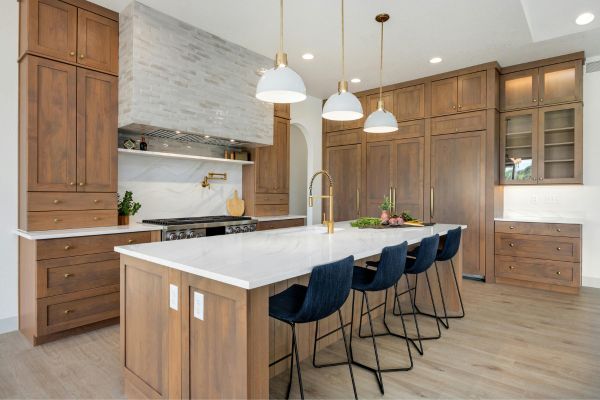

A tidy kitchen has a way of making the whole home feel calmer. Even if the living room has a throw blanket out of place or the hallway shoes are not perfectly lined up, a kitchen that feels ordered can change the mood of the day. It is the room where mornings begin, meals come together, and small messes appear almost without warning. One mug on the counter becomes three. A drawer meant for utensils somehow collects batteries, tape, and old receipts. The pantry looks fine until one bag of rice tips over and suddenly everything feels chaotic.
That is why practical kitchen organization hacks are not just about making a room look neat. They are about making daily life easier. A well-organized kitchen saves time, reduces waste, and makes cooking feel less like a search mission. You do not need a huge kitchen or expensive storage systems to create order. Most of the time, the smartest changes are simple, realistic, and built around how you actually use the space.
Start With the Way You Move Through the Kitchen
Before moving jars, baskets, and drawer dividers around, it helps to notice your habits. Every kitchen has a natural rhythm. Maybe you make coffee before doing anything else. Maybe lunchboxes are packed near the fridge. Maybe spices are always needed next to the stove, but they are currently hiding in a cabinet across the room. Organization works best when it follows movement instead of fighting it.
Think of the kitchen in zones. The cooking zone should hold pots, pans, oils, spices, and utensils you reach for while food is on the heat. The prep zone should have cutting boards, knives, mixing bowls, and commonly used tools nearby. The cleaning zone belongs around the sink or dishwasher, with dish soap, towels, scrubbers, and trash bags within easy reach. When items live close to where they are used, the kitchen starts feeling more intuitive.
This small shift can make a bigger difference than buying more containers. A kitchen becomes messy quickly when every task requires extra steps. If the things you use together are stored together, tidiness becomes easier to maintain without much thought.
Clear the Counters Without Making Them Empty
Countertops are often the first place clutter shows up. They collect mail, snack packets, appliances, dishes, and all the little things nobody wants to put away immediately. Still, the goal is not to make counters completely bare. A kitchen should look lived in. The better goal is to leave only what earns its place.
A coffee maker used every morning can stay out. A toaster used once a week might be better in a cabinet. A bowl of fruit can make the room feel warm and inviting, while five unrelated objects beside it can make the same corner look messy. The trick is to create breathing room. When counters have open space, wiping them down becomes quicker, cooking feels less cramped, and the whole kitchen looks cleaner even before deep cleaning begins.
One useful habit is the evening counter reset. It does not need to be dramatic. Put away loose items, wipe the main prep area, and leave the sink clear if possible. The next morning feels different when the kitchen is not already asking for attention.
Make Cabinets Work Harder With Vertical Space
Most cabinets waste space because items sit in one flat layer while the upper half stays empty. This is especially true with plates, mugs, canned goods, and pantry staples. Using vertical space is one of the most effective kitchen organization hacks because it creates room without expanding the kitchen.
Shelf risers can separate stacks of plates or bowls so you do not have to lift one pile to reach another. Hooks under shelves can hold mugs. Stackable bins can group snacks, baking items, or tea supplies. Even a simple tray can turn a deep cabinet into a more manageable space by letting you pull items forward instead of digging around in the back.
The main idea is visibility. If you cannot see something, you are more likely to forget it, buy it again, or let it expire. Cabinets should not feel like storage caves. They should feel like small, reachable stations that help you find what you need quickly.
Give Every Drawer a Clear Purpose
Kitchen drawers become messy when they are expected to hold too many unrelated things. One drawer starts as a utensil drawer, then becomes a home for measuring spoons, twist ties, takeout menus, rubber bands, and a screwdriver that nobody wants to move. The famous junk drawer may be unavoidable, but it should not spread across the whole kitchen.
Start by giving each drawer a purpose. One drawer for everyday utensils. One for cooking tools. One for wraps and bags. One for towels. If your kitchen has limited drawers, group items by use rather than category. For example, a baking drawer can hold measuring cups, measuring spoons, parchment paper, and cupcake liners together because they are used in the same moment.
Drawer dividers are helpful, but they do not have to be fancy. Small boxes, shallow trays, or repurposed containers can work well. What matters is that items stop sliding into one another every time the drawer opens. A drawer that closes easily and opens to reveal exactly what you need is a small daily luxury.
Turn the Pantry Into a System, Not a Storage Pile
A pantry can look organized on the surface and still be frustrating to use. Rows of boxes and packets may seem neat, but if pasta is hidden behind cereal and spices are mixed with snacks, the pantry will slowly fall apart. A useful pantry has categories that make sense.
Keep breakfast items together, baking supplies together, snacks together, grains together, and canned goods together. Place the things you use most often at eye level. Store occasional items higher or lower. If children use the pantry, put their approved snacks where they can reach them without pulling everything else down.
Clear containers can help, especially for flour, sugar, rice, pasta, and lentils, but they are not always necessary. Sometimes labeled baskets work better because they hide visual clutter while keeping categories separate. A basket for snacks, one for packets, one for baking extras, and one for backup items can instantly make a pantry feel more controlled.
The real secret is not decanting everything into matching jars. It is knowing what you have and being able to reach it without creating a mess.
Use the Fridge Like a Small Organized Room
The fridge is often ignored during kitchen organization, yet it affects daily cooking more than almost any cabinet. When the fridge is cluttered, food gets forgotten. Leftovers disappear behind bottles. Vegetables wilt in drawers because nobody remembers they are there. A better fridge system can reduce waste and make meal prep much easier.
Use zones inside the fridge. Keep dairy together, leftovers together, condiments together, and ready-to-eat foods in one visible area. Place older items toward the front so they are used first. A small “eat soon” section can be surprisingly effective for half-cut vegetables, opened sauces, or leftovers that need attention.
Fridge bins can help, but again, the system matters more than the product. A simple container for yogurts, one for cheese, and one for small jars can stop items from wandering across shelves. The fridge should be easy to scan in a few seconds. If you have to move six things to find one thing, the system needs simplifying.
Make Awkward Corners Useful
Every kitchen has awkward spaces. The deep corner cabinet where pans disappear. The narrow gap beside the fridge. The odd shelf that is too tall for small items and too short for appliances. These spaces are often the reason kitchens feel smaller than they are.
Deep cabinets work better with pull-out baskets, turntables, or grouped containers. A turntable can make oils, sauces, or spices easier to reach without knocking over everything in front. Narrow spaces can hold trays, cutting boards, baking sheets, or a slim rolling cart if there is enough room. The inside of cabinet doors can hold measuring spoons, pot lids, cleaning gloves, or small organizers.
Awkward spaces do not need to hold daily essentials. In fact, they are often better for items used occasionally. Serving dishes, extra jars, seasonal baking tools, or backup supplies can live there, leaving prime cabinet space for everyday items.
Keep Pots, Pans, and Lids Under Control
Few kitchen areas become chaotic faster than cookware storage. Pots stack badly, pans scratch, and lids seem designed to slide into the least convenient position. A tidy cookware area depends on easy access. If getting one pan means lifting four others, the cabinet will become messy again.
Store the most-used pan where it is easiest to reach. If space allows, keep pans upright with dividers so they slide out like files. Lids can be stored in a rack, in a shallow bin, or on the inside of a cabinet door. Matching lids to pots becomes much easier when they are not piled randomly under everything.
It also helps to be honest about duplicates. Many kitchens have more pans than they use. Keeping one reliable skillet, one saucepan, one larger pot, and a few specialty pieces may be more useful than keeping every old pan just in case. Less cookware often means better organization.
Create a Simple System for Small Daily Clutter
Even the best-organized kitchen needs a place for temporary items. Receipts, school notes, vitamins, keys, and grocery lists often land in the kitchen because that is where people naturally gather. Instead of pretending this will not happen, create a small system for it.
A tray, wall pocket, or small basket can hold papers that need attention. The key is to keep it limited. Once the container is full, it needs sorting. A small command center near the kitchen entrance can work well for calendars, notes, and reminders, but it should stay simple. Too many labels, boards, and bins can become clutter in a different form.
Daily clutter is easier to manage when it has boundaries. One small basket is a system. An entire counter covered in “temporary” things is stress waiting to happen.
Build Habits That Keep the Kitchen Organized
A kitchen does not stay tidy because it was organized once. It stays tidy because the system is easy enough to repeat. The best kitchen organization hacks are the ones that reduce effort. If a child can put a cup away, if a tired adult can find dinner ingredients, and if cleanup takes minutes instead of an hour, the system is working.
Try pairing small habits with existing routines. Empty the dishwasher while coffee brews. Check the fridge before grocery shopping. Reset the counter after dinner. Put pantry items away as soon as groceries come in. These habits are not glamorous, but they prevent the slow build-up that makes a kitchen feel overwhelming.
A tidy kitchen is not about perfection. Real kitchens have crumbs, busy mornings, and days when dishes wait longer than planned. Organization simply makes it easier to return the room to order.
A Kitchen That Feels Easier to Live In
Kitchen organization is not about creating a picture-perfect space that nobody can touch. It is about building a kitchen that supports real life. The best systems make cooking smoother, cleaning faster, and everyday routines less frustrating. When counters are clearer, drawers have a purpose, pantry items are visible, and tools live close to where they are used, the whole room feels lighter.
Good organization also changes how you feel in the space. A tidy kitchen invites you to cook, make tea, pack lunch, or sit for a quiet moment without first clearing away yesterday’s mess. That is the real value of practical kitchen organization hacks. They do not just make the kitchen look better. They make home feel a little more peaceful, one small habit at a time.