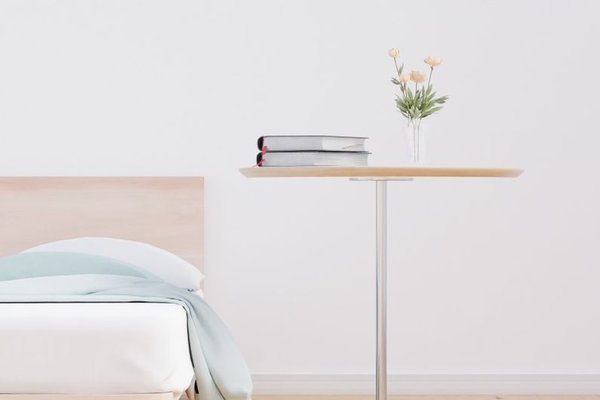

Midimalism is gaining attention because it solves a problem many homes quietly have: minimalism can feel too spare, while maximalism can become visually exhausting. The midimalism interior style sits between those extremes, using colour, texture, art and personal objects without giving up breathing room. The goal is a home that feels expressive, edited and comfortable at the same time.
Although the term has been circulating for several years, design coverage in 2026 has pushed it further into the mainstream. That makes sense for UK homes, where smaller rooms, period details and practical storage often demand a more measured approach than full-scale maximalism. Midimalism treats restraint as a design tool rather than a rule against personality.
What does midimalism actually mean?
Midimalism combines the clarity of minimalism with the warmth and character associated with maximalism. A room may have simple furniture silhouettes and plenty of open space, then layer in a patterned rug, a colourful lamp, framed artwork and a few collected objects. The result feels intentional rather than sparse or crowded.
The easiest way to understand the style is through editing. Minimalism asks what can be removed. Maximalism often celebrates abundance. Midimalism asks which pieces deserve attention and how much visual space they need around them.
Start with a calm foundation
A restrained backdrop makes midimalism decor easier to control. Warm white, mushroom, soft stone, muted green or dusty pink can work as wall colours because they provide atmosphere without competing with every object in the room. A neutral base is especially useful if you plan to introduce patterned textiles, artwork or vintage furniture.
Neutral does not have to mean beige throughout. A calm interior style can still use colour on the walls, provided the palette feels connected. A deep olive living room, for example, can remain balanced when the sofa, curtains and larger furniture pieces use quieter tones.
Build interest through texture
Texture is one of the easiest ways to make a restrained room feel rich. Instead of adding several decorative accessories to an empty corner, try one tactile material with real presence: a bouclé chair, woven wool rug, veined stone table, linen curtain or ribbed timber cabinet.
Use pattern in controlled doses
A minimalist maximalist mix works best when pattern has a clear role. One patterned headboard, striped armchair or botanical curtain can carry more visual weight than several unrelated prints scattered across the room.
If you mix patterns, vary their scale. Pair a broad stripe with a small floral, or a geometric rug with a looser organic print. Repeat one or two colours across the room, then leave some surfaces plain so the eye has somewhere to rest.
Let one area do the talking
One smart midimalist technique is to create a concentrated moment of personality rather than spreading decorative intensity everywhere. A hallway console might hold an expressive painting, sculptural lamp and a small group of ceramics while the surrounding walls remain largely clear.
Display collections with space around them
Midimalism suits people who dislike clutter but still want their homes to show a life lived. Books, travel finds, family pieces and art do not need to disappear into cupboards; they simply benefit from stronger editing.
Instead of filling every shelf, group objects by material, colour or story and leave some gaps. Three ceramics together usually read as a deliberate collection, while many unrelated objects spread across one surface can quickly become visual noise.
Mix old and new rather than matching everything
Intentional home styling rarely means buying a complete furniture set. Midimalism looks more convincing when pieces have different histories but share something in common. A contemporary sofa might sit beside an antique side table, while a modern lamp introduces a cleaner line.
The connecting thread could be colour, timber tone, shape or scale. This creates coherence without making the room feel themed and works well for homes furnished gradually rather than redesigned in one expensive project.
A practical midimalism example for a UK living room
Imagine a modest terraced-house living room with a fireplace, bay window and limited floor space. Keep the walls warm off-white, choose a simple mid-tone sofa and use one patterned wool rug to anchor the seating area. Add a vintage wooden side table, a sculptural floor lamp and three pieces of art above the sofa rather than covering every wall.
On the mantel, display a small group of objects with different heights, then leave part of the surface empty. Add one cushion that repeats a colour from the rug and use linen curtains for softness. The room now has pattern, texture, history and colour, but the architecture still has room to breathe.
Where midimalism works best
Living rooms are an obvious fit because they naturally combine furniture, textiles, books and personal objects. Bedrooms also suit the style: keep the layout simple, then introduce character through bedding, lighting, artwork and one stronger pattern.
Common mistakes to avoid
The biggest mistake is treating midimalism as permission to add more without editing. It is not watered-down maximalism. Every strong element needs enough calm around it to be noticed.
Another mistake is making the room too coordinated. Matching every cushion, print and accessory can remove the relaxed character that makes this style appealing. The best rooms also include pieces that matter to the people living there, rather than simply following a trend checklist.
Natural next reads include our guides to layering texture in a living room, mixing patterns without creating clutter, and styling shelves with collected objects.
Frequently asked questions
Is midimalism the same as warm minimalism?
Not quite. Warm minimalism usually keeps decoration and pattern restrained while softening minimalism with natural materials and warmer colours. Midimalism is more willing to introduce bold art, pattern, collected objects and playful details while maintaining visual balance.
What colours work best for midimalism?
There is no fixed palette. Warm neutrals are an easy foundation, but muted greens, dusty blues, terracotta, ochre and deeper jewel tones can all work. The key is repeating colours deliberately rather than adding unrelated shades everywhere.
Can midimalism work in a small home?
Yes. It can be especially effective in smaller spaces because it encourages selective decoration. Use fewer pieces with more character, keep circulation areas clear and rely on texture, artwork and textiles for impact rather than filling the room with furniture.
Is midimalism just another short-lived trend?
The label may rise or fall in popularity, but the principle behind it is durable: combine personality with restraint. Homes that balance useful space, meaningful objects, colour and texture are unlikely to feel dated simply because the trend name changes.
A balanced home has room for personality
Midimalism works because it does not force you to choose between a calm room and an expressive one. It gives colour, pattern, art and treasured objects a place while preserving enough space for each element to register. For 2026 homes, that balance feels especially relevant: less about chasing an aesthetic extreme and more about creating rooms that are comfortable, personal and thoughtfully edited.