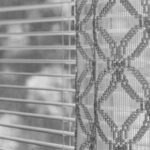

Layered texture is what makes a room feel finished even when the colour palette is quiet. A space can be almost entirely cream, grey or earthy brown and still feel rich when smooth, nubby, woven, brushed and natural surfaces are placed together with intention. The key is not to fill every corner with texture, but to create contrast between materials that the eye can read and the hand can imagine.
Good layered texture interior design also solves a common decorating problem: rooms that look coordinated but feel flat. Rather than adding another colour or pattern, you can introduce linen, wool, timber, boucle, rattan, ceramic or aged metal. Each material brings a different level of softness, structure and visual weight.
Start with a Simple Texture Formula
A useful starting point is to combine one smooth surface, one soft textile, one coarse or woven material and one natural element. In a living room, that might mean a painted wall, a wool rug, a rattan side table and a timber cabinet. In a bedroom, it could be crisp cotton sheets, a linen duvet cover, a boucle bench and a woven basket.
Living Room: Build from the Floor Up
Anchor the Room with a Tactile Rug
A rug is often the largest textured surface in a living room, so it should establish the mood. A flatweave works well in busy family spaces, while a thicker wool or loop-pile rug adds softness to a formal sitting area. Keep the pile practical around doors and under furniture.
Balance Boucle Furniture with Cleaner Surfaces
Boucle furniture adds immediate warmth because its looped surface catches light and creates shadow. One chair, footstool or occasional bench is usually enough. Pair it with smoother materials such as leather, polished timber or a plain woven sofa so the room does not become visually heavy.
For example, a cream boucle chair beside a dark oak table creates more definition than placing the same chair against a pale shaggy rug and fluffy cushions. Contrast helps each texture remain visible.
Use Cushions as Small Texture Tests
Cushions make it easy to experiment before investing in larger pieces. Combine washed linen, velvet, wool and a subtle woven stripe, but keep the colours related. Three different textures in similar tones usually look calmer than three unrelated colours in the same fabric.
Bedroom: Layer Softness Without Creating Clutter
Mix Bedding Weights
Begin with breathable cotton or linen sheets, add a lightly textured duvet cover, then finish with a knitted throw or quilt. The aim is to vary the weight and finish rather than pile on unnecessary cushions. A smooth fitted sheet beside a relaxed linen cover creates enough contrast to make the bed feel inviting.
Add Structure Around the Bed
Soft rooms need firmer materials to prevent them from feeling shapeless. Timber bedside tables, ceramic lamps and a woven headboard can balance layered bedding. Rattan interior ideas work especially well here because the material adds pattern and warmth without introducing a strong colour.
In a smaller UK bedroom, use rattan sparingly. A single headboard or pendant shade has more impact than several baskets, stools and wall decorations competing in a tight space.
Dining Room: Combine Hard Materials Carefully
Dining rooms naturally contain hard surfaces, including tables, chairs and flooring. Add texture by varying their finishes rather than covering everything. A smooth oak table can sit beside woven-seat chairs, handmade ceramic dishes and a linen runner.
Matte finishes tend to feel softer than high-gloss ones. If the table is polished, introduce chalky ceramics, brushed metal or slub linen. If the table is rustic and heavily grained, cleaner chairs and simple glassware will keep the arrangement balanced.
Kitchen: Focus on Durable Texture
Texture in a kitchen should survive moisture, grease and frequent cleaning. Timber chopping boards, ribbed glass, stoneware and washable runners add warmth without making the room impractical. Open shelves can display a few textured pieces, but too many small objects quickly turn tactile home styling into visual noise.
Use contrast at touch points. Smooth cabinet fronts can be paired with knurled or brushed handles, while a plain worktop can be softened by a linen tea towel and a woven pendant. Avoid placing delicate rattan or untreated fibres beside the sink or hob.
Bathroom: Create Warmth Around Cool Surfaces
Bathrooms often contain glossy tile, glass and metal, which can feel cold. Introduce softer texture through ribbed towels, a cotton bath mat, timber accessories and baskets made for humid conditions. Fluted glass and handmade-look tiles add depth while remaining functional.
Keep the palette restrained because small bathrooms can become busy quickly. One warm timber tone, one woven accent and plush towels are often enough to soften white sanitaryware and stone-effect surfaces.
Hallway: Make Texture Work Hard
A hallway needs durable, space-efficient textured home decor. Consider a coir runner, a timber bench, a woven storage basket or a wall-mounted rack in aged metal. These materials disguise everyday wear better than delicate fabrics and create interest where there may be little room for furniture.
How to Layer Texture Without Overdoing It
Keep the Colour Palette Controlled
Texture is easiest to appreciate when colours do not compete. Work within two or three main tones, then vary the material finish. Warm whites, oatmeal, clay, olive and dark timber can create depth without obvious pattern.
Vary Scale as Well as Material
Combine fine textures with chunkier ones. A tightly woven linen sofa works beside a thick wool throw, while small ceramic ridges can contrast with broad timber grain. If every surface has the same visual scale, the room may still feel flat.
Leave Some Surfaces Quiet
Plain walls, simple curtains or an uncluttered tabletop give textured pieces space to stand out. Not every item needs a tactile finish. Smooth areas act as pauses and make woven or irregular materials feel more deliberate.
Frequently Asked Questions
Can layered texture work in a minimalist home?
Yes. Minimalist rooms often benefit most because texture adds warmth without requiring extra colour or decoration. Choose fewer materials, repeat them carefully and keep surfaces uncluttered.
Which textures work best together?
Linen, wool, timber, rattan, ceramic and brushed metal combine well because they offer different levels of softness and structure. The strongest pairings usually contrast rather than match exactly.
Is boucle furniture practical?
It can be, but practicality depends on the fabric construction, colour and household. Check cleaning instructions and abrasion information, particularly in homes with children or pets.
How can I add texture on a small budget?
Start with cushion covers, throws, baskets, lampshades, second-hand timber pieces and ceramics. Changing a few surfaces is more effective than buying many small decorative objects.
Create Depth One Material at a Time
Successful layered texture interior design is less about following a trend and more about making a room feel balanced, warm and comfortable. Begin with the surfaces already present, identify where the scheme feels too smooth or too soft, then add one contrasting material. When texture is repeated thoughtfully from room to room, the home gains depth without losing calm or cohesion.