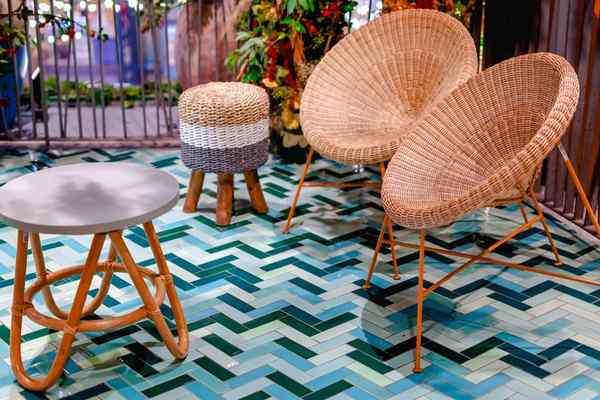

Natural materials are no longer being treated as a decorative finishing touch. In 2026, they are becoming the starting point for how a room is conceived. Timber, stone and clay give interiors something polished synthetic finishes often struggle to reproduce: character that comes from grain, variation, age and the hand of the maker.
That helps explain why the natural materials home decor trend feels broader than a passing preference for earthy colours. The appeal is not simply that wood looks warm or stone feels luxurious. It is that these materials reveal what they are. A knot in oak, a vein through limestone or a slight irregularity in a handmade bowl tells you something about how the object was formed.
Why natural materials feel especially relevant in 2026
British homes are moving towards interiors that feel less manufactured and more individual. Houzz UK’s 2026 emerging-trends data reflects that direction, with strong growth in searches for modern organic interiors, natural stone, stone walls and exposed wooden beams. That does not mean every home needs a rustic makeover. It points to a growing appetite for surfaces and objects with visible substance.
Natural material decor works across different styles. A Victorian terrace can use restored floorboards and honed stone without losing its period character, while a new-build flat can feel warmer with an oak dining table and a clay lamp base.
Material honesty is replacing imitation
One of the most interesting shifts is a move away from materials pretending to be something else. There is still a place for porcelain, laminate and engineered surfaces, especially where cost or maintenance matters, but the strongest schemes allow real materials to look unmistakably real.
That means choosing oak because its grain is part of the design, accepting that limestone may contain fossils or tonal variation, and allowing clay home accessories to show differences in shape or glaze. Instead of adding layers of decoration to create interest, the room gains depth from the things it is actually made from.
Wood and stone interiors are becoming softer
Let timber keep its grain
Natural or lightly finished timber is effective on furniture, cabinetry and architectural details. A single oak sideboard, ash dining table or run of timber kitchen fronts can introduce enough warmth to change the atmosphere of an otherwise simple room.
Mixing wood tones can make a room feel collected rather than overly coordinated. Pale oak, walnut and an older timber piece can sit together successfully when their finishes share a similar warmth.
Use stone where its weight makes sense
Stone works best when it feels connected to function. Kitchen worktops, fireplace surrounds, bathroom surfaces and occasional tables are natural places for it. Honed finishes can be effective because they emphasise the material rather than a glossy reflection.
Consider a compact UK kitchen with painted cabinets and little room for decorative objects. Instead of adding several accessories, a stone splashback and one timber stool can provide more character while keeping the room calm. It is a practical example of using fewer materials more deliberately.
Craftsmanship is part of the appeal
The craftsmanship trend is closely tied to natural materials because making marks are easier to appreciate when the material itself is visible. Turned wood, hand-thrown ceramics and carved stone often contain small variations that show how they were made.
This does not require buying expensive artisan pieces throughout the house. One or two objects with a clear sense of workmanship can change the tone of mass-produced surroundings. A handmade ceramic pendant over a standard dining table, for example, can make the whole setting feel more considered.
When shopping, look beyond surface style. Is the timber solid, veneered or printed? Does the stone have natural variation? Is the joinery meant to be seen? These questions help distinguish genuine material character from a look that merely imitates it.
How to use natural materials without overdoing it
The easiest approach is to choose one dominant natural material and one supporting material. In a living room, that might mean a timber coffee table with a stone lamp base. In a bedroom, it could be an oak bedside table with a handmade clay vessel. This keeps the room grounded without turning the trend into a theme.
Pay attention to finish as much as material. Raw-looking surfaces still need to suit everyday use. A porous stone beside a busy hob, untreated timber in a wet bathroom or a delicate clay piece in a high-traffic family area may create unnecessary maintenance. Material honesty should not come at the expense of practicality.
Mixing ages also works well. New natural materials often become more convincing beside vintage or inherited pieces that already show wear. A new limestone table with an old timber chair can feel richer than a perfectly coordinated set. Modern organic interior ideas and choosing natural textures for the home are useful related topics when developing a wider scheme.
Natural does not automatically mean sustainable
Natural materials can support a lower-waste, longer-lasting approach, but the word “natural” is not a guarantee of sustainability. Source, transport, extraction, manufacturing, durability and end-of-life options all matter. A responsibly sourced local timber may have a very different impact from rare stone shipped long distances.
A better question is whether a material is responsibly sourced, suitable for its job, repairable and likely to remain desirable for years. Choosing fewer, better pieces is often more consistent with the spirit of the trend than repeatedly replacing inexpensive decor simply because it looks natural.
FAQ
What natural materials are popular in home decor in 2026?
Wood, natural stone, clay, ceramic, wool, linen and woven plant fibres are all prominent. Wood and stone are common in furniture, kitchens and architectural details, while clay and ceramics offer an accessible way to introduce craftsmanship through smaller objects.
How can I add natural materials to a modern home?
Start with one substantial piece rather than many small accessories. A timber table, stone side table, wool rug or handmade ceramic light can add warmth and character without changing the overall modern style.
Do natural materials work in small rooms?
Yes. Use them selectively. One visually strong material can provide enough depth to reduce the need for extra decoration, helping a compact room feel calmer.
Are natural materials just a short-term decor trend?
The way they are styled will continue to change, but wood, stone and clay have been used in interiors for centuries. Their current popularity reflects renewed interest in authenticity, longevity and visible craftsmanship rather than a completely new design idea.
A more lasting way to decorate
The strongest version of this 2026 trend is not about filling a home with beige, rustic objects. It is about letting materials carry meaning. Wood can show grain, stone can show variation and clay can show the hand that shaped it. When those qualities remain visible, a room feels less like a collection of products and more like a place built from real things.
That is why natural materials are defining so many current interiors. They offer warmth, but more importantly they offer honesty. Used thoughtfully, they can make a home feel grounded, individual and capable of ageing well rather than looking dated as soon as the next trend arrives.