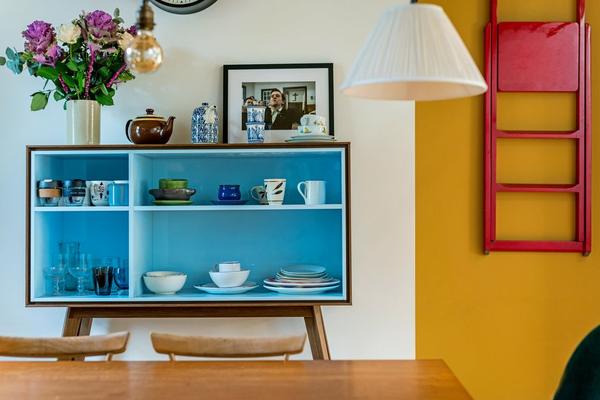

A room feels personal when it looks as though it has developed over time rather than arrived in one delivery. That is the appeal of mixing vintage and modern furniture. A clean-lined sofa can sit comfortably beside an old oak side table, while a contemporary lamp can make a traditional chest feel fresh rather than dated. The goal is not to make every piece match, but to create enough visual connection that the contrasts look deliberate.
A successful vintage modern mix starts with restraint. You do not need equal amounts of old and new furniture. Choose one style to lead, let the other add character, and repeat a few colours, materials or shapes so the room holds together.
Decide Which Style Will Lead
Begin with the room itself. Period details such as cornicing, fireplaces, timber floors or sash windows may naturally support older furniture. A newer flat with plain walls and large windows may suit a modern foundation with vintage accents. Either approach works, but choosing a dominant direction prevents the scheme from feeling unsettled.
A useful starting point is roughly two-thirds leading style and one-third contrast. In a modern living room, that might mean a simple sofa, slim media unit and contemporary rug, softened by an antique cabinet, aged mirror and vintage chair. In a traditional room, classic furniture can be refreshed by modern lighting, artwork and occasional tables.
Build Around One Strong Anchor Piece
Choose a piece that gives the room its identity. It could be a mid-century sideboard, Victorian dining table, sculptural modern sofa or painted farmhouse cupboard. Once the anchor is in place, select furniture that supports it without copying it.
Imagine a typical UK terrace living room with a bay window and original fireplace. A contemporary cream sofa provides a calm base, while a dark vintage cabinet beside the chimney breast adds depth. A modern glass coffee table keeps the centre visually light, and an old framed print above the fireplace connects the cabinet to the architecture. The pieces come from different eras, but repeated dark accents make the combination feel intentional.
Connect Different Eras Through Colour
Colour is one of the easiest ways to unify eclectic furniture styling. An antique chair does not need to match a new sofa in shape or period if both share a similar tone. A rust cushion on a modern chair can echo the warm wood of a vintage chest. Black lighting can relate to dark handles on an old cabinet.
Keep the main palette focused, especially in a small room. Two or three core colours, supported by natural wood and metal, usually provide enough structure. Vintage pieces often introduce strong brown, red or golden undertones, so test paint and fabric colours beside them before committing.
Mix Materials, but Repeat Their Finish
A layered interior look becomes richer when it combines wood, glass, metal, stone, leather and fabric. The trick is to repeat at least one finish. If you place a brass vintage lamp on one side of the room, a brass-framed modern table or picture frame elsewhere can make it feel connected. If an old table has a dark walnut finish, introduce another dark timber note rather than surrounding it only with pale oak.
Avoid making every wooden item identical. Perfectly matched wood can make a mixed room look like a furniture set. Instead, aim for compatible undertones. Warm woods generally sit well together, while cooler grey-toned woods form another family. A deliberate contrast, such as pale ash beside deep mahogany, can also work when the difference is clear.
Use Shape and Scale to Create Harmony
Furniture from different periods can still share a visual language. A curved modern armchair may complement the rounded edge of an antique table, while a boxy vintage sideboard can balance a rectangular contemporary sofa. Repeating shapes gives the eye a reason to see separate pieces as one composition.
Scale matters just as much. Large antique furniture can overwhelm compact modern pieces, particularly in smaller UK homes. Measure before buying and consider visual weight, not only dimensions. Furniture raised on legs tends to look lighter, while solid pieces close to the floor appear heavier.
Let Upholstery Bridge Old and New
Reupholstery can turn a vintage find into the connecting piece a room needs. A traditional chair in plain bouclé, linen or a restrained pattern keeps its character while relating to newer furnishings. Equally, a modern chair in a heritage-style stripe or check can introduce a subtle historical reference.
Do not automatically remove every sign of age. Small scratches, faded timber and gentle wear often give collected home decor its warmth. Restore anything unstable or unhygienic, but preserve patina when it contributes to the story of the piece.
Avoid the Showroom and Museum Extremes
Too much coordination can make a room feel generic, while too many statement pieces can make it feel like an antiques shop. Give important furniture breathing space and include quieter supporting items. A carved cabinet, patterned vintage rug and bold modern sofa may compete if placed together. Let one or two lead while the rest of the room stays calmer.
Modern lighting is especially useful because it can update older furniture without altering it. A simple pendant above a vintage dining table or a clean wall light beside an antique chest creates contrast while keeping the arrangement practical.
Finish With Art and Smaller Objects
Accessories can make a mixed scheme feel settled. Combine old and new artwork, but connect the display through frame colour, subject matter or spacing. Place contemporary ceramics on an antique sideboard, or add an old lamp to a modern console. These smaller crossovers stop the room from splitting into separate style zones.
Natural internal links could guide readers towards choosing a statement sofa, arranging furniture in a small living room, and decorating with antique finds.
Frequently Asked Questions
Can you mix vintage and modern furniture in a small room?
Yes. Use fewer pieces, keep walkways clear and limit the colour palette. One well-chosen vintage item often adds more character than several small decorative finds. Furniture with visible legs can also reduce visual clutter.
How many vintage pieces should a room have?
There is no fixed number. Start with one anchor piece and add another only when it improves the balance or function of the room. A vintage table, lamp and artwork may be enough.
Do mixed wood tones look untidy?
Not when they are repeated thoughtfully. Group woods by warm or cool undertones, or use a clear light-and-dark contrast. Repeating each tone at least twice makes the variation look deliberate.
What is the easiest way to modernise antique furniture?
Change the context rather than the piece. Pair it with simpler furniture, modern lighting, contemporary art or a restrained wall colour. New upholstery or updated handles can help, but original details are often worth preserving.
Create a Room That Feels Collected
Mixing vintage and modern furniture works best when contrast is supported by repetition. Choose a leading style, connect different eras through colour and materials, and pay attention to scale. The result should not look perfectly coordinated. It should feel balanced, useful and personal, with enough variation to suggest that the room has grown naturally over time.