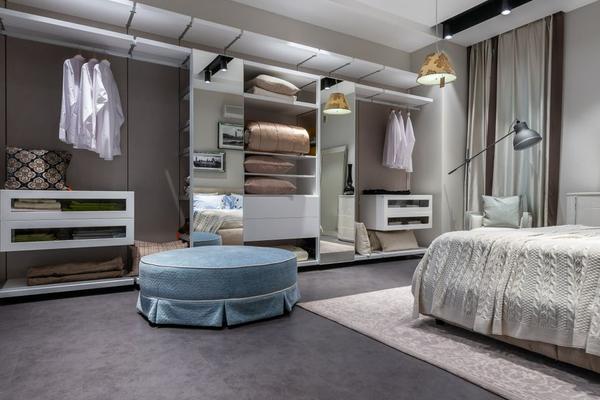

For years, fitted wardrobes were treated as the upgrade: neat, wall-to-wall and designed to make every centimetre count. In 2026, the picture is more nuanced. Bedrooms are becoming softer and more personal, renewing interest in freestanding wardrobes and antique armoires. That does not make fitted storage outdated. It means homeowners are choosing more deliberately between flexibility and a seamless finish.
The best option depends on your room, how long you plan to stay and what you need to store. This comparison of freestanding wardrobes vs fitted storage explains where each works best.
What is changing in bedroom storage?
The strongest shift is away from uniformity rather than away from fitted furniture itself. A bedroom can include built-in cabinetry while still feeling warm and collected. Equally, a freestanding wardrobe can look intentional rather than temporary when its proportions, material and placement suit the room.
Adaptability matters more too. A wardrobe that can move to another wall, room or property has obvious appeal. Yet smaller bedrooms, sloping ceilings and awkward alcoves continue to make fitted storage practical. The current approach is about choosing furniture that supports real life.
Freestanding wardrobes: flexibility and character
A freestanding wardrobe is a self-contained piece that can be repositioned or taken with you when you move. It may be a modern modular design, a traditional timber wardrobe or a vintage storage furniture find with visible age and character.
Why choose a freestanding wardrobe?
Flexibility is the main advantage. You can change the layout, replace one piece without redesigning the room and move the wardrobe to a guest room or future home. Installation is usually quicker, although large wardrobes still need careful assembly, secure fixing where appropriate and enough access through stairs and doorways.
Freestanding storage ideas also create a relaxed look. A timber wardrobe, painted chest and woven baskets can feel collected over time, whereas a full fitted run produces a more architectural finish. This approach works especially well in period properties where fireplaces, skirting boards or decorative cornices deserve to remain visible.
Where freestanding furniture falls short
Standard sizes rarely use a wall perfectly. Gaps above and beside a wardrobe can become dust traps or wasted space. In a compact bedroom, deep doors and projecting cornices may interfere with circulation. Internal layouts can also be limited, particularly in older wardrobes.
Several unrelated pieces may look cluttered. Repeating a wood tone, handle finish or paint colour will make the scheme feel connected.
Fitted storage: maximum use of difficult space
Fitted wardrobes are designed for a specific wall and fixed in place. They can run from floor to ceiling, wrap around chimney breasts, fit beneath eaves or turn an unused alcove into organised storage.
Why fitted wardrobes still make sense
Where every centimetre matters, fitted storage can provide more usable capacity than a standard wardrobe. Rails, drawers, shoe shelves and overhead cupboards can be planned around the owner. Sliding or folding doors may help where there is little space for doors to swing outward.
The visual effect is calmer because the storage can blend with the walls. Handleless doors, painted panels or shaker fronts reduce visual noise, which is useful in small bedrooms where several freestanding pieces might feel busy.
The trade-offs of fitted storage
Fitted cabinetry is a commitment. It often costs more than entry-level freestanding furniture, involves measuring and installation, and cannot move with you. Changing the layout later may require carpentry or complete removal. Poorly planned interiors can also lock you into storage that no longer suits your needs.
Before ordering, ask whether shelves can be adjusted, internal fittings can be replaced and access to sockets, pipes or walls will remain possible. A sleek exterior is worthwhile only when the inside works properly.
Which option suits different UK homes?
Small box room or city flat
Fitted storage often wins when the room has an awkward recess or needs floor-to-ceiling capacity. Renters and frequent movers may get better value from a narrow freestanding wardrobe, under-bed drawers and an open shelving bedroom arrangement that can be dismantled later.
Period terrace or cottage
Freestanding furniture can preserve architectural character and avoid forcing modern cabinetry around uneven walls. Where alcoves exist, a hybrid plan often works best: fitted cupboards in the recesses with a freestanding chest or armoire elsewhere.
Useful related guides include small bedroom storage solutions, bedroom furniture layout tips and styling vintage wooden furniture.
Consider cost, disruption and longevity
Do not compare purchase prices alone. Include delivery, assembly, installation and possible future removal. Bespoke joinery varies widely by material, internal fittings and complexity.
Choose fitted storage when it solves a genuine spatial problem and the layout is likely to remain stable. Choose freestanding furniture when mobility, reuse and gradual upgrading matter more. With vintage pieces, check for sticking doors, weak rails, woodworm, odours and suitable internal depth before buying.
A practical hybrid example
Imagine a 1930s semi-detached bedroom with a shallow alcove beside the chimney breast. A full fitted wall would maximise capacity but hide some of the room’s character. A purely freestanding scheme would leave the alcove underused. A balanced solution is to fit painted shelves and closed cupboards into the alcove, then place a freestanding timber wardrobe on the longest clear wall.
The built-in section handles folded clothing and shoes, while the wardrobe adds warmth and can move if the room changes. This hybrid approach is one of the most useful fitted wardrobe alternatives because it separates practical storage from decorative furniture.
How to make the final decision
Measure ceiling height, skirting depth, door swings, radiators and sockets. List what must be stored, then estimate the hanging, folded and shoe space you need.
If maximum capacity in an awkward space is the priority, fitted storage is usually stronger. If you value flexibility, visible craftsmanship and the ability to change the layout, a freestanding wardrobe is likely to suit you better. When both priorities matter, combine them rather than forcing an all-or-nothing decision.
Frequently asked questions
Are fitted wardrobes better than freestanding wardrobes?
They are better for maximising awkward or limited space, but not automatically better overall. Freestanding wardrobes offer mobility, easier replacement and more decorative character.
Do fitted wardrobes make a bedroom look bigger?
They can. Floor-to-ceiling doors in a colour close to the walls create fewer visual breaks and reduce the appearance of clutter. Very dark or poorly proportioned cabinetry can have the opposite effect.
Can freestanding wardrobes work in a small bedroom?
Yes. Look for shallow depths, sliding doors or tall narrow designs. Pairing one wardrobe with under-bed storage is often more efficient than filling the room with several small units.
Is a vintage wardrobe practical for everyday use?
It can be, provided the structure is sound and the internal depth suits modern hangers. A joiner may be able to strengthen rails or add removable shelves without removing its character.
Choosing storage that belongs in your home
The real comparison is not old-fashioned versus modern. It is fixed efficiency versus adaptable furniture. Fitted storage remains invaluable in difficult rooms, while freestanding wardrobes bring flexibility, personality and a sense that a bedroom has developed naturally over time. Choose according to your space and habits, then treat trends as inspiration rather than a rule.