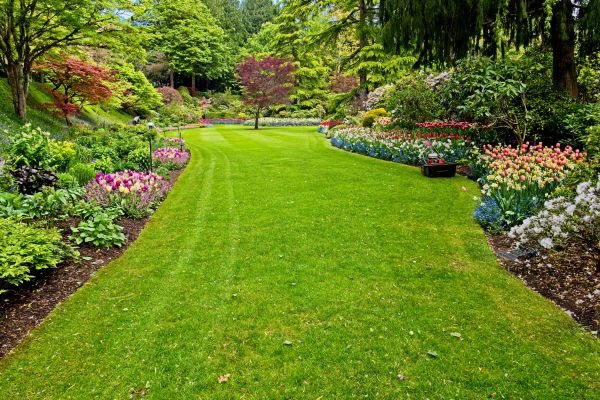

There’s something quietly satisfying about stepping outside and brushing your fingers across fresh herbs—releasing a burst of fragrance that instantly connects you to your space. A well-designed herb garden doesn’t just supply your kitchen; it adds texture, scent, and personality to your outdoor (or indoor) environment. Whether you’re working with a sprawling backyard or a sunny windowsill, thoughtful design can transform even a small collection of herbs into something that feels intentional and alive.
These herb garden design tips aren’t about perfection. They’re about creating a space that feels natural, useful, and enjoyable to return to day after day.
Designing with Purpose and Personality
Before choosing plants or containers, it helps to pause and consider how you want your herb garden to feel. Some people prefer a neat, symmetrical layout with clean lines, while others lean toward a more relaxed, cottage-style arrangement where herbs spill over edges and blend into one another.
A purposeful design starts with simple questions. Do you want your herbs close to the kitchen for easy cooking access? Or are you imagining a quiet corner where you can unwind among greenery? The answers guide everything—from placement to plant selection.
There’s no single right approach. A structured grid of raised beds can feel just as inviting as a loosely arranged cluster of pots. What matters is that the design reflects how you’ll actually use the space.
Choosing the Right Location
Most herbs thrive in sunlight, so choosing a bright spot is essential. A location that receives at least six hours of direct sun each day tends to produce healthier, more flavorful plants. But sunlight isn’t the only factor.
Accessibility plays a big role. If your herbs are tucked away at the far end of your yard, you may find yourself using them less often. Keeping them within arm’s reach of your kitchen door—or even on a windowsill—makes harvesting feel effortless.
Wind exposure, drainage, and soil quality also shape your garden’s success. A sheltered area with well-draining soil can make the difference between struggling plants and a thriving herb patch.
Blending Form and Function
One of the most interesting herb garden design tips is to treat your garden like both a functional space and a visual composition. Herbs aren’t just useful—they’re beautiful in their own right.
Think about how shapes and patterns can bring structure. Circular herb beds, for example, create a focal point and allow easy access from all sides. A spiral design adds height variation and visual interest while maximizing space.
Paths matter too. Even a simple stepping-stone walkway can guide movement and make the garden feel more intentional. It doesn’t need to be elaborate; a few thoughtfully placed stones can do the job.
Pairing Herbs Thoughtfully
Design isn’t only about how things look—it’s also about how plants interact. Some herbs grow tall and upright, while others spread low and wide. Mixing these forms creates a layered, dynamic appearance.
Consider grouping herbs with similar water and sunlight needs. Mediterranean herbs like rosemary, thyme, and oregano prefer drier conditions, while others like mint and parsley enjoy a bit more moisture. Keeping compatible plants together simplifies care and helps everything thrive.
Color and texture play a subtle but important role. Silvery sage leaves, deep green basil, and feathery dill can create a rich visual contrast that keeps the garden from feeling flat.
Working with Containers and Small Spaces
Not everyone has the luxury of a large outdoor garden, but that doesn’t mean you have to miss out. Containers open up a world of possibilities.
Pots, wooden crates, hanging baskets, and even repurposed items can become part of your design. Arranging containers at different heights adds dimension and makes the space feel fuller. A vertical herb garden—mounted on a wall or railing—can turn a small area into a lush, green display.
For indoor spaces, a sunny windowsill works surprisingly well. Keeping herbs in simple, well-drained pots ensures they stay healthy while adding a fresh, lived-in feel to your home.
Creating a Sensory Experience
An herb garden isn’t just something you look at—it’s something you experience. Designing for the senses can make the space feel more immersive.
Plant aromatic herbs like lavender or rosemary near pathways or seating areas so their scent is released as you pass by. Place softer, touch-friendly plants where you’re likely to brush against them. Even the sound of leaves rustling in the breeze adds a subtle layer to the experience.
A small bench or chair nearby can turn your herb garden into a place where you linger rather than just pass through.
Keeping Maintenance in Mind
A beautiful garden loses its charm if it becomes difficult to maintain. Designing with simplicity in mind helps you keep things manageable.
Leave enough space between plants for airflow and easy access. This makes pruning, harvesting, and watering less of a chore. Using mulch can help retain moisture and reduce the need for frequent watering.
Regular trimming not only keeps herbs productive but also maintains the shape of your garden. Overgrown plants can quickly make even a well-designed space feel chaotic.
Letting the Garden Evolve Naturally
One of the more overlooked herb garden design tips is to allow room for change. Gardens aren’t static. Plants grow, seasons shift, and your preferences may evolve over time.
It’s perfectly fine if your initial design doesn’t stay exactly as planned. In fact, some of the most charming herb gardens are those that have adapted gradually. A plant that outgrows its space might inspire a new layout. An empty corner might become the perfect spot for something new.
Designing with flexibility in mind makes the process more enjoyable and less rigid.
Conclusion
A thoughtfully designed herb garden brings together beauty, practicality, and a touch of everyday magic. It doesn’t have to be large or elaborate to feel meaningful. Even a small collection of herbs, arranged with care, can transform the way you interact with your space.
The most effective herb garden design tips aren’t about following strict rules—they’re about understanding your environment, your habits, and your preferences. When those elements come together, the result is a garden that feels both intentional and effortless.
Over time, as you harvest leaves for cooking or simply pause to enjoy the scent of fresh herbs in the air, you’ll notice something subtle. The garden stops feeling like a project and starts feeling like part of your daily rhythm—and that’s where its real value lies.