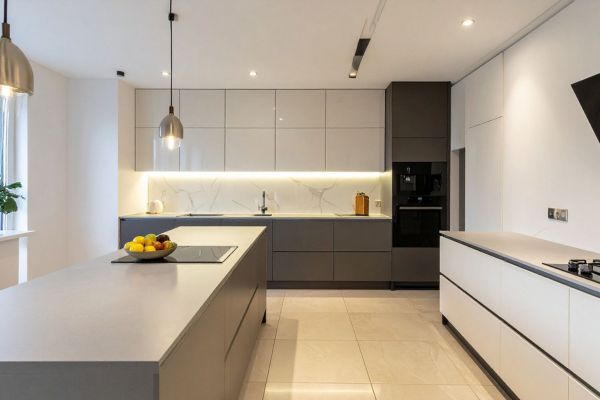

The modern kitchen has quietly become one of the most energy-hungry rooms in the home. Refrigerators hum day and night, dishwashers run hot cycles, ovens preheat for longer than we admit, and small appliances sit plugged in even when they’re idle. Over time, all of this adds up—not just on electricity bills, but in how much energy a household consumes overall. That’s where energy-saving appliances for kitchens come into focus, not as trendy upgrades, but as practical tools for everyday living.
The idea isn’t about building a futuristic, high-tech kitchen or chasing the newest gadgets. It’s about choosing appliances that do the same jobs we rely on, but with less waste, less excess, and fewer invisible costs. When chosen thoughtfully, energy-efficient kitchen appliances can quietly reshape how a kitchen functions, without demanding major lifestyle changes.
Why Kitchens Deserve Special Attention When Saving Energy
Kitchens run on consistency. Unlike a living room or bedroom, the core appliances are always on or frequently used. Refrigerators never rest. Freezers work even when you’re on vacation. Dishwashers, ovens, microwaves, and coffee makers cycle through heat, water, and electricity daily. Because of this constant activity, even small efficiency improvements can have long-term impact.
Energy-saving appliances for kitchens matter because they address this steady, background consumption. A slightly more efficient refrigerator or a dishwasher that uses less hot water may not feel dramatic in the moment, but over years of use, the difference becomes noticeable. This is less about one big energy-saving gesture and more about steady, sensible reductions that fit naturally into daily routines.
Refrigerators That Stay Cold Without Wasting Power
The refrigerator is the backbone of the kitchen, and also one of the biggest energy users. Older models, especially those more than a decade old, often consume far more electricity than necessary. Newer energy-saving designs focus on better insulation, smarter compressors, and more accurate temperature control.
What makes a refrigerator truly efficient isn’t flashy features or oversized displays. It’s consistency. A fridge that maintains stable temperatures without frequent power spikes uses less energy over time. Improved door seals, better airflow, and adaptive cooling systems all help reduce unnecessary work. The result is an appliance that quietly does its job without drawing attention—or extra power—to itself.
In real-life use, these improvements show up as less frequent cycling, quieter operation, and fewer temperature swings that can affect food freshness. It’s a reminder that efficiency often improves performance rather than compromising it.
Dishwashers That Save More Than Just Time
Dishwashers used to be seen as indulgent appliances, but modern energy-saving models tell a different story. Washing dishes by hand can actually use more water and energy, especially when hot water runs continuously. Efficient dishwashers are designed to minimize both.
Energy-saving appliances for kitchens often shine in this category because newer dishwashers rely on sensors rather than fixed assumptions. They measure how dirty the load is, adjust water usage accordingly, and optimize heating cycles instead of blasting everything at full power. Lower-temperature wash cycles paired with improved detergents still deliver clean dishes, but with far less energy involved.
Over time, these appliances reduce strain on water heaters as well. Less hot water used per cycle means less energy spent heating it in the first place, creating a quiet ripple effect across the household’s energy use.
Ovens and Cooktops That Work Smarter, Not Harder
Cooking appliances have evolved slowly, but meaningfully. Traditional ovens lose heat easily and rely on long preheating times. Modern energy-efficient ovens focus on better insulation and more precise temperature control, reducing wasted heat and shortening cooking times.
Induction cooktops, in particular, have changed how energy moves in the kitchen. Instead of heating the air or the cooktop surface, they transfer energy directly to cookware. This means faster heating, less residual heat, and more control while cooking. Even without changing cooking habits, energy use drops simply because less heat escapes into the room.
Energy-saving appliances for kitchens don’t demand culinary reinvention. They allow familiar meals to be cooked more efficiently, often with improved consistency and responsiveness that home cooks appreciate once they experience it.
Microwaves and Small Appliances That Avoid Silent Energy Drain
Large appliances aren’t the only concern. Small kitchen devices quietly contribute to energy waste, especially when they remain plugged in. Microwaves, toaster ovens, coffee machines, and electric kettles all draw standby power, even when not actively in use.
Energy-efficient versions of these appliances focus on reduced standby consumption and faster operation. A microwave that heats food more evenly in less time uses less electricity overall. An electric kettle that boils water efficiently avoids the prolonged heating cycles common in older designs.
The cumulative effect of these small improvements is easy to underestimate. Individually, the savings feel modest. Together, they create a kitchen that uses energy with intention rather than habit.
The Role of Smart Controls in Everyday Efficiency
Smart technology doesn’t automatically mean energy savings, but when applied thoughtfully, it can help kitchens run more efficiently. Smart refrigerators adjust cooling based on usage patterns. Smart dishwashers delay cycles to off-peak energy hours. Smart ovens prevent overcooking by shutting off automatically once food reaches the right temperature.
The real value here is awareness. Energy-saving appliances for kitchens that include smart features often give feedback about usage, revealing patterns people didn’t realize existed. When energy use becomes visible, even indirectly, habits tend to shift naturally without conscious effort.
Importantly, these features work best when they stay in the background. The goal isn’t constant monitoring, but quiet optimization that supports daily life rather than interrupting it.
Long-Term Savings Beyond Utility Bills
Energy efficiency is often discussed in terms of cost, but the benefits extend beyond monthly expenses. Appliances that run cooler, cycle less aggressively, and manage power more efficiently tend to experience less wear and tear. This can mean fewer repairs, longer lifespans, and less frequent replacements.
In practical terms, energy-saving appliances for kitchens often feel calmer. They’re quieter, steadier, and more predictable. A refrigerator that doesn’t constantly kick on, or a dishwasher that hums instead of roars, changes the atmosphere of a kitchen in subtle ways.
There’s also a broader environmental perspective. Reduced energy consumption lowers overall demand on power grids, which can ease strain during peak usage times. While individual households may not see this impact directly, the collective effect is significant.
Choosing Efficiency Without Overthinking It
One of the barriers to adopting energy-efficient appliances is the perception that it requires deep research or technical knowledge. In reality, most improvements come from simple choices. Replacing very old appliances, paying attention to efficiency ratings, and avoiding oversized models that exceed actual needs all make a difference.
Energy-saving appliances for kitchens work best when they match how the kitchen is actually used. A large household may benefit from different features than a single person cooking occasionally. Efficiency isn’t one-size-fits-all, and that flexibility is part of what makes modern appliances more effective than older generations.
The goal isn’t perfection. It’s progress that fits naturally into daily routines.
A Kitchen That Works With You, Not Against You
Kitchens are lived-in spaces. They host rushed breakfasts, slow weekend dinners, late-night snacks, and everything in between. Energy-saving appliances for kitchens succeed when they respect that rhythm rather than trying to control it.
The best energy-efficient appliances don’t feel like compromises. They don’t demand constant attention or force changes in behavior. Instead, they quietly support everyday life while using less energy in the process.
Conclusion
Energy-saving appliances for kitchens are less about making a statement and more about making sense. They recognize that kitchens are central to daily life and adapt to that reality by working smarter behind the scenes. From refrigerators that stay cold without overworking to dishwashers that clean efficiently without excess heat, these appliances prove that saving energy doesn’t require sacrifice.
Over time, the benefits accumulate in ways that feel practical rather than abstract—lower energy use, calmer operation, and a kitchen that simply runs better. In the end, an energy-efficient kitchen isn’t defined by technology alone, but by how seamlessly it fits into real life, doing what it’s always done, just with less waste along the way.