
Working from home sounds simple on paper. A laptop, a chair, an internet connection, and you’re set. In reality, a home office setup for productivity is far more nuanced. The space you work in quietly shapes how you think, how long you can focus, and how drained or energized you feel at the end of the day. Productivity doesn’t come from hustle slogans taped to the wall. It comes from intention, comfort, and a layout that respects both your work and your limits.
A productive home office isn’t about recreating a corporate cubicle at home. It’s about building an environment that supports deep focus while fitting naturally into your life. When done well, your workspace stops fighting you and starts working with you.
Why Your Home Office Environment Matters More Than You Think
Your brain constantly reacts to your surroundings, even when you’re not aware of it. Poor lighting increases fatigue. Clutter pulls attention in multiple directions. Awkward seating slowly drains energy through discomfort. Over time, these small frictions compound, making work feel heavier than it needs to be.
A thoughtful home office setup for productivity reduces decision fatigue and mental noise. When your tools are easy to reach, your posture is supported, and your environment feels calm, your mind can stay where it belongs: on the task in front of you. Productivity, in this sense, isn’t about doing more. It’s about wasting less energy on avoidable distractions.
Choosing the Right Location Within Your Home
The best home office isn’t always a separate room, but it should feel distinct from the rest of your living space. That separation matters psychologically. When your workspace blends too seamlessly into areas meant for rest, your brain struggles to switch modes.
Natural light can be a quiet productivity booster. A desk near a window often improves mood and focus, even if the view is unremarkable. If natural light is limited, consistency becomes more important than brightness alone. A stable, well-lit corner beats a visually appealing space that constantly changes or feels temporary.
Noise is another consideration that often gets underestimated. Some people thrive with ambient sound, while others need near silence. The key is predictability. A space where you know what to expect allows your brain to settle faster and stay focused longer.
The Desk as the Center of Your Workflow
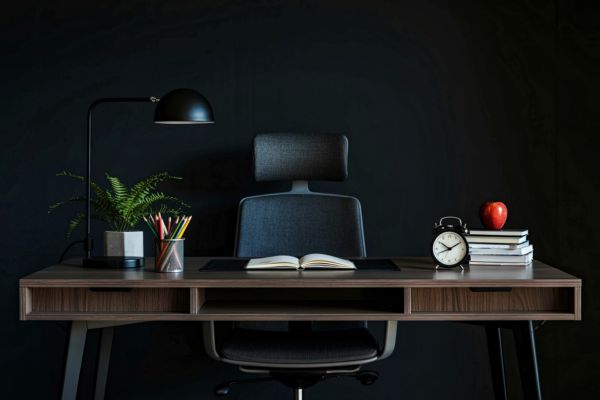
Your desk is not just furniture. It’s the command center of your workday. Size matters, but not in the way people often assume. A massive desk can encourage clutter, while one that’s too small creates constant friction. The goal is balance: enough surface area to work comfortably without inviting unnecessary items.
The position of your desk also influences productivity. Facing a wall can reduce visual distractions, while facing an open room can feel expansive but distracting. Neither is universally better. What matters is how your attention behaves in that position. If your eyes wander, your focus will follow.
A clean desk doesn’t mean an empty one. It means intentional placement. Items you use daily should be within easy reach. Everything else earns its place or leaves. Over time, this creates a workspace that quietly supports momentum instead of interrupting it.
Seating and Ergonomics That Support Long Focus Sessions
A productive home office setup for productivity cannot ignore ergonomics. Discomfort is one of the most reliable focus killers. When your body is tense or strained, your brain can’t fully commit to cognitive work.
Your chair should support your lower back and encourage a neutral posture. That doesn’t require the most expensive model on the market, but it does require adjustability. The ability to fine-tune height and support often matters more than branding.
Screen height plays a similar role. When your monitor is too low or too high, strain builds slowly but relentlessly. Over hours and days, this affects both comfort and concentration. Ergonomics isn’t about perfection. It’s about reducing friction enough that your body fades into the background while you work.
Lighting That Keeps You Alert Without Overstimulating
Lighting is one of the most overlooked elements in a home office setup for productivity. Too dim, and you’ll feel sluggish. Too harsh, and you’ll feel wired and restless. The sweet spot is layered lighting that adapts to different times of day.
Overhead lighting provides general visibility, but task lighting does the heavy lifting. A focused desk lamp reduces eye strain and helps anchor your attention to the work area. Warm light often feels comfortable, while cooler light can boost alertness. The right balance depends on the type of work you do and when you do it.
Consistency matters more than intensity. Sudden shifts in lighting can subtly disrupt focus. A stable, predictable lighting setup helps your brain settle into work mode without effort.
Managing Technology Without Letting It Manage You
Technology enables productivity, but it can also quietly sabotage it. A thoughtful home office setup for productivity treats technology as a tool, not a constant source of stimulation.
Cable management might sound trivial, but visual clutter has cognitive consequences. Tangled wires signal chaos, even subconsciously. Clean lines create a sense of order that supports focus.
Notifications deserve equal attention. Your physical setup should make it easy to control digital interruptions. Whether that means a second screen for focused work or a designated spot for your phone away from arm’s reach, the goal is to reduce impulsive attention shifts.
The more your environment encourages intentional use of technology, the easier it becomes to stay present with your work.
Personal Touches That Motivate Without Distracting
A sterile workspace can feel draining, while an overly decorated one can pull focus in too many directions. The middle ground is personal, not performative. A few meaningful objects, a plant, or a piece of art can make the space feel yours without turning it into a visual obstacle course.
Plants deserve special mention. They subtly improve air quality and add a sense of life to the room. More importantly, they provide a soft visual break that rests the eyes without fully disengaging the mind.
Personal touches should serve a purpose, even if that purpose is emotional. If an item lifts your mood or grounds you during stressful moments, it earns its place.
Creating Boundaries That Protect Your Work Time
Even the best home office setup for productivity struggles without boundaries. Physical boundaries help, but psychological ones matter just as much. When possible, closing a door at the end of the day signals that work has ended. When that’s not an option, rituals can serve the same function.
Starting work by setting up your desk and ending it by clearing a small area creates a sense of closure. These transitions help your brain switch roles, reducing burnout over time.
A productive workspace isn’t just about getting work done. It’s about making work sustainable.
Conclusion: Productivity Is Built, Not Bought
A home office setup for productivity isn’t something you purchase in one trip or perfect in a weekend. It evolves as you learn how you work best. What matters most is not trends or aesthetics, but alignment. Alignment between your space, your body, and the kind of focus your work requires.
When your environment supports you instead of draining you, productivity becomes less about discipline and more about flow. Small adjustments compound over time, turning your home office into a place where work feels possible, focused, and surprisingly human.