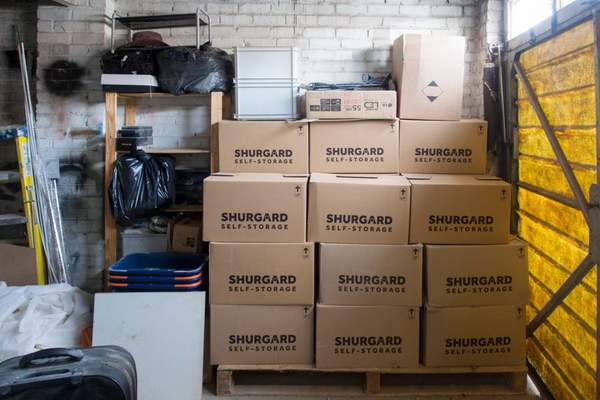

A garage often becomes the place where the rest of the house sends its overflow. Tools, sports gear, cleaning supplies, garden equipment and seasonal decorations all arrive there because they do not have an obvious home indoors. Without a plan, that useful buffer space can turn into a wall-to-wall holding area. Good garage storage organisation is less about squeezing in more possessions and more about giving bulky or occasional-use items a clear, safe place to live.
Start by deciding what the garage is for
Before buying shelving or boxes, decide which jobs the garage needs to support. One household may need space for bicycles and DIY tools; another may use it mainly for gardening equipment and seasonal items. If the space also needs to hold a car, workbench or freezer, mark out those non-negotiable zones first.
Imagine the garage in use on an ordinary weekday. Can you open the car doors? Can you reach the freezer without moving boxes? Can a child collect a football without walking past sharp tools? Those questions reveal more about the right garage storage system than simply counting how many shelves will fit.
Sort by use, not just by object type
Traditional garage organisation groups similar things together, but frequency of use matters too. Keep everyday items near the entrance or at an easy height. Store seasonal items higher up or farther back, provided they are light enough to lift safely.
For example, if bikes are used three times a week but camping equipment twice a year, the bikes deserve the easiest route. Tents and sleeping bags can occupy a higher shelf or clearly labelled container.
Create practical zones
Think in zones such as DIY and tools, gardening, sports equipment, car care, household supplies, recycling and seasonal storage. A zone does not need its own cabinet. It simply needs a defined area so items return to the same place after use.
This is especially useful for household garage storage because many items are there precisely because they do not belong elsewhere. Folding chairs, spare vacuum parts and holiday decorations can still each have a predictable home.
Use the walls before sacrificing floor space
Floor space is difficult to recover once clutter spreads. Shelving, wall rails, hooks and pegboards can move frequently used equipment upward while keeping it visible. Long-handled garden tools can be stored vertically, while smaller hand tools work well on a shallow shelf or board.
Wall storage also makes sweeping easier because fewer objects sit directly on the floor. Readers planning a wider storage project could naturally continue to a guide about home storage ideas.
Keep heavy items low
Heavy toolboxes, large containers and dense supplies are usually better on lower shelves. Light but bulky possessions, such as sleeping bags or seasonal decorations, can go higher. Freestanding shelving should be stable, level and used within the manufacturer’s stated load limits.
Choose containers that help you find things
Opaque boxes can make a garage look tidy while hiding duplicate purchases. Clear containers are useful for small household supplies and seasonal accessories because you can identify the contents without opening every lid. If you prefer opaque boxes, label at least two visible sides.
A label such as “Christmas lights – outdoor” is more useful than “Decorations.” Likewise, “Car washing cloths and polish” saves more time than “Garage.” Specific labels are an underrated form of garage clutter control because they help everyone return items correctly.
Create a household overflow zone
One useful section is a small shelf for practical household backups, such as spare paper products, unopened cleaning supplies or light bulbs. Keep the category narrow so the garage does not become a second miscellaneous cupboard.
Some products should not be stored in a garage at all. Medicines, foods, batteries, paints and chemicals may have temperature, moisture or ventilation requirements. Check the label or manufacturer guidance before choosing the garage. A related guide about utility room storage can help decide what belongs indoors instead.
Give awkward items their own solution
Bulky items create disproportionate mess because they do not fit standard shelves. Folding chairs may hang flat against a wall. Sports balls can sit in a basket or open-front bin. Bicycles may use wall hooks or stands where safe and practical. Timber, pipes and long tools need supports that stop them rolling into walkways.
The goal is not to make every item invisible. A visible but well-positioned bike is better organised than a concealed bike that requires moving three boxes every time someone wants to ride it.
Separate hazardous and messy items
Paints, solvents, fuels, pesticides, sharp tools and automotive products should not be mixed casually with children’s sports gear or general household supplies. Follow product labels for storage, ventilation and temperature requirements, and keep hazardous materials out of children’s reach. Never transfer chemicals into unlabelled food or drink containers.
For everyday garage organisation, separation can be more useful than adding another shelf. A dedicated cabinet or controlled area helps keep higher-risk products apart from routine family items.
Make the system easy to maintain
The best garage storage system survives ordinary life. Leave some empty shelf space so new items can be put away without starting another pile. Keep a donation or disposal box near the exit, and review seasonal zones when those items come back into use.
A useful rule is that anything left on the floor without a reason for two weeks needs a decision: assign it a home, move it elsewhere, donate it or dispose of it responsibly. This stops temporary piles becoming permanent clutter.
FAQ
What is the best way to start organising a cluttered garage?
Start with the floor and access routes. Remove obvious rubbish, group items into broad zones, protect space needed for cars or work areas, then choose storage based on what remains.
Should garage storage be open or closed?
Open shelves and hooks are convenient for frequently used tools and sports gear. Closed cabinets or lidded boxes suit dusty environments, small loose items or possessions that need separation. Most garages benefit from a combination.
How can I organise a garage without buying lots of storage?
Declutter first, reuse sturdy containers you already own, label them clearly and move suitable items onto existing shelves or wall hooks. Better zoning can solve a surprising amount of clutter before new furniture is necessary.
How often should garage storage be reviewed?
A quick review twice a year is enough for many households, especially when seasonal equipment changes. Check for broken items, expired products, unused duplicates and anything that has drifted away from its assigned zone.
Make the garage support the rest of the home
A well-organised garage works as a controlled extension of the house rather than a place where unwanted items disappear. Protect the floor, give bulky possessions a defined zone, keep everyday gear easy to reach and separate higher-risk products from routine storage. Once each category has a sensible home, the garage becomes easier to use, easier to clean and far less likely to be taken over by clutter again.