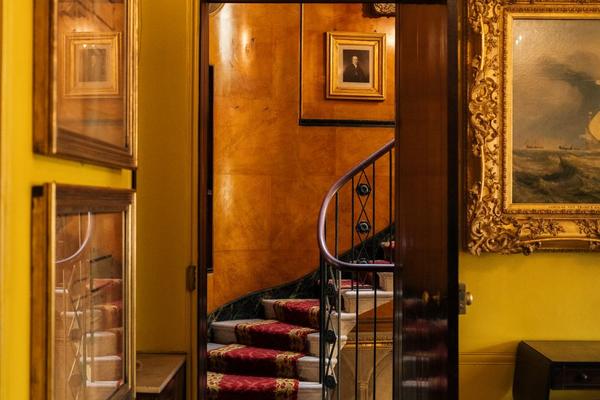

A hallway has to work harder than almost any other room in a UK home. It is the first space guests see, yet it often has to cope with coats, shoes, bags, post and damp umbrellas in a relatively narrow footprint. The best hallway styling ideas UK homes can use are therefore not just decorative. They make the entrance feel brighter, calmer and more intentional without making circulation harder.
Start with floor space, doors, radiators and natural light. Then build colour, storage and decorative details around those practical limits.
Protect the Walking Route First
Before buying furniture, identify the clear route from the front door to the stairs, kitchen or main living space. Narrow hallway ideas work best when that route remains visually and physically open. In a slim entrance, wall-mounted pieces often earn their place more easily than deep freestanding furniture.
Imagine a Victorian terrace where the staircase begins close to the front door and a radiator occupies one wall. Instead of squeezing in a full console, use a shallow floating shelf for keys and post, then place a mirror above it. You still create a styled focal point, but the hallway remains easy to pass through when two people arrive home at once.
Use Colour to Shape the Space
Hallway colour ideas should respond to light levels rather than automatically defaulting to white. A pale warm neutral can soften a dim entrance, while muted greens, clay tones or gentle blue-greys add character without overwhelming a small space. In a hallway with very little daylight, an ultra-cool white can sometimes look flat, so warmer undertones may be more forgiving.
You can also use contrast strategically. Painting skirting boards, door frames or the lower part of the wall in a deeper shade can give entrance hall decor more definition and help disguise everyday marks. The inside face of the front door is another easy styling opportunity. A stronger colour there can become a focal point, especially if you repeat it in a rug, artwork or lampshade.
Make Mirrors Work Harder
A mirror is one of the most useful hallway additions because it combines function with visual impact. Positioning one where it can reflect daylight from a glazed door or adjoining room can make the entrance feel more open. In a narrow hall, one larger, simple mirror often looks calmer than several small decorative mirrors.
Scale matters. A tiny mirror above a wide radiator cover can look lost, while a very heavy frame can dominate a tight passage. Rounded mirrors can soften the straight lines created by doors, stairs and flooring.
Choose Furniture by Depth, Not Just Width
When planning console table styling, depth is often the most important measurement. A slim table can provide a useful landing spot without taking over the hallway, but in very restricted spaces even a narrow console may be too much. A floating shelf or wall-mounted drawer unit can create the same practical role with less obstruction.
Keep the surface edited. A small lamp, a tray for keys and one decorative object are usually enough. If the console becomes a permanent pile of parcels and paperwork, the entrance quickly loses its calm first impression. Give recurring items a specific home, such as a drawer for dog leads or a basket for scarves and gloves.
Layer the Lighting
Many UK hallways have limited natural light, so one ceiling fitting may not be enough to make the space feel welcoming. A central pendant or flush fitting can provide general illumination, while a small console lamp or wall lights add warmth at eye level.
Think about where shadows fall, particularly around stairs, coat storage and the front-door lock. Practical lighting should help you find what you need as well as improve the atmosphere. Using bulbs with a consistent colour temperature through the hallway and adjoining rooms can also make the transition between spaces feel smoother.
Control Clutter with Specific Storage
The most effective entrance hall decor allows for real life. Hooks, shoe storage and a place for everyday accessories can look attractive when they are chosen as part of the scheme rather than added as an afterthought. The aim is not to hide every object; it is to stop useful items spreading across the whole entrance.
A row of matching hooks works well for frequently used coats, but avoid hanging the entire household wardrobe in view. Closed shoe cabinets suit halls where depth allows, while baskets beneath a bench work better in wider spaces. In a small entrance, assigning each hook, tray or basket to one purpose makes the system easier to maintain.
Add Warmth with Flooring and Wall Details
A runner can soften hard flooring, reduce the tunnel effect of a long hallway and introduce pattern without taking up physical space. Choose a size that leaves some flooring visible around the edges so it looks intentional rather than wedged in. For busy households, low-pile, easy-clean materials are usually the practical choice.
Artwork gives a hallway personality, but a narrow space rarely needs every wall filled. One larger piece, a short gallery arrangement or framed photographs climbing the staircase can provide enough interest. Keep frames visually related through colour, material or spacing so the display reads as one composition. Related ideas such as small-space decorating, practical home storage and living-room colour planning can also help you carry a consistent style into adjoining rooms.
Frequently Asked Questions
How can I make a narrow hallway look wider?
Keep the walking route clear, choose furniture with minimal depth, use a well-scaled mirror and avoid too many small items projecting from the walls. Consistent colour across doors and trim can also reduce visual interruption.
What colour is best for a dark UK hallway?
There is no single best colour, but warm off-whites, soft neutrals and muted mid-tones often work well in low natural light. Test paint on more than one wall and check it during both daytime and evening before committing.
Should a small hallway have a console table?
Only if it leaves comfortable clearance for everyday movement. Where space is tight, a floating shelf or narrow wall-mounted unit can provide a useful drop zone without making the entrance feel crowded.
How do I connect hallway decor with the rest of the house?
Repeat one or two elements from adjoining rooms, such as a paint undertone, timber finish, metal detail or textile colour. The hallway does not need to match every room, but a few shared references create a more natural flow.
Create an Entrance That Works Every Day
A successful hallway is not the one with the most decoration. It is the one that feels considered as soon as the door opens and continues to function on a wet weekday morning. Prioritise clear movement, choose colours for the actual light in the space, add storage for the items that genuinely collect near the door, and use mirrors and layered lighting to bring warmth and depth.
Once those practical decisions are right, the styling becomes much easier. A restrained console, a purposeful runner, a few pieces of art and one confident colour choice can transform a neglected passage into an entrance that feels like a proper part of the home.