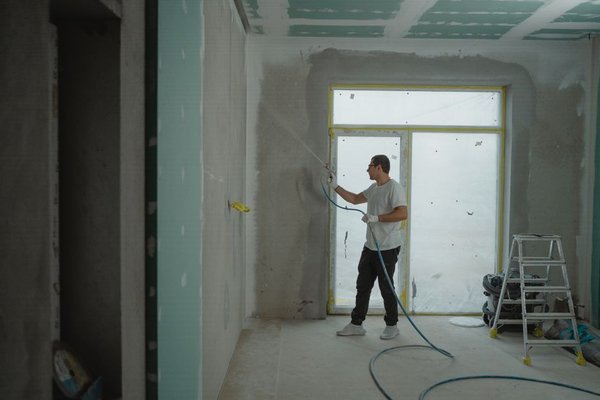

The easiest time to prevent renovation chaos is before the first tool comes through the door. Once builders arrive, hallways become delivery routes and small decisions about keys, parking or storage can slow the day down. A useful pre renovation checklist therefore goes beyond clearing furniture. It should prepare the house as a working site while keeping the rest of daily life safe and manageable.
Walk Through the Job Before Work Starts
Arrange a final pre-start walkthrough and ask the builder which rooms, entrances and outdoor areas will be used. Confirm working hours, the expected start date, likely delivery days, the waste-removal plan and where materials will be stored. Also agree which parts of the home must remain accessible to you.
Ask who will be your day-to-day contact and how changes will be communicated. If several trades are involved, agree who handles questions to avoid mixed instructions. Good renovation site preparation should reflect how the crew actually intends to use the property.
Clear the Work Area Properly
Remove furniture, lamps, rugs, artwork, curtains, plants, electronics and fragile items from the room being renovated. Do not push everything into one corner unless the builder agrees that space will stay untouched. Workers need room to move materials, position tools and reach walls, floors and ceilings.
Empty cupboards and shelving that may be affected by drilling or demolition. Vibration can shift items even when a cabinet is not being removed. For a kitchen project, relocate food, small appliances and cookware to a temporary station elsewhere. For a bathroom, move medicines, towels and toiletries before dust and moisture become an issue.
Create a Defined Storage Zone
Choose a dry, secure place for materials that arrive before installation. A garage can work, but only if it does not block builder access. For example, if new kitchen units arrive on Monday and the garage is also the route to the back door, stacking boxes across that route can turn a simple delivery into an hour of reshuffling. Marking one wall as the storage zone keeps the path clear.
Protect the Parts of the Home Still in Use
Ask what floor, doorway and dust protection the builder will install, then prepare surrounding rooms accordingly. Move soft furnishings away from the work-zone boundary and clear nearby open shelving. Fine dust can travel through door gaps, so reducing exposed belongings makes cleanup easier.
Discuss whether heating, cooling or ventilation vents near the work area need special handling. Do not block vents or switch off building systems in a way that conflicts with the contractor’s safety plan. The aim is to coordinate protection rather than create barriers the crew has to remove.
Plan Builder Access and Security
Decide how workers will enter if you are not at home. Builder access might involve a temporary key, lockbox or agreed door code. If you use an alarm or smart lock, explain the procedure and remove temporary permissions when the project ends. Avoid sharing your everyday household code if a short-term option is available.
Keep valuables, private documents and spare keys out of the work zone. This is sensible because doors may be open for deliveries and several people may come and go during the day.
Sort Out Parking, Deliveries and Waste
Builders may need space for vans, skips, material deliveries or specialist equipment. Confirm where vehicles can stop without blocking neighbours, driveways or emergency access. If your street has parking restrictions or local rules for skips and containers, check the relevant requirements before work starts.
Large deliveries need a clear route from the street to the work area. Measure narrow gates, stair turns and doorways where necessary, and move bicycles, bins, garden furniture or planters that could obstruct access.
Make Utilities Easy to Find
Show the builder where the main water shutoff, electrical panel, gas meter and other relevant controls are located, and clear the space around them. Do not disconnect services yourself unless the contractor has specifically asked you to do so and the task is appropriate and safe for you to carry out.
Ask whether planned shutdowns will affect cooking, hot water, internet, heating or refrigeration. If a kitchen or bathroom will be unusable, set up alternatives beforehand. Reviewing your home renovation timeline at this stage can also help you plan around periods when normal facilities are unavailable.
Plan for Children, Pets and Daily Routines
A renovation site can include sharp materials, open doors, trailing cables, tools and unfamiliar people. Create a firm boundary between the work zone and family spaces. Pets may need to stay in a closed room, with a sitter or elsewhere during noisy stages. Children should not use the work area as a shortcut, even after the crew leaves.
Think about ordinary routines too. If builders need the main hallway, move shoes, coats and school bags elsewhere. If the kitchen is out of service, create a simple temporary food station using only appliances that can be operated safely in the available space.
Agree on Small Logistics Before Day One
Confirm where workers may use a toilet, whether they can use an outdoor tap or power socket, where they can take breaks and how waste will be handled. Discuss neighbour-sensitive issues such as early deliveries or access to shared paths. A brief conversation with neighbours can prevent confusion when vans or skips appear.
Keep the scope of work, contact details and key decisions from the pre-start meeting somewhere easy to reach. Related planning topics worth reviewing include choosing a renovation contractor, planning a home renovation budget and creating a realistic home renovation timeline.
FAQ
How far in advance should I prepare my home for renovation work?
Start moving belongings and arranging storage several days before work begins, then complete final access and utility checks the day before. Larger projects may need more time if you are renting storage, relocating furniture or arranging parking permissions.
Should I remove everything from the room being renovated?
Usually, yes, unless the builder confirms that specific items can safely remain. An empty room gives tradespeople more working space and reduces the chance of damage, dust contamination or delays caused by moving possessions.
Do builders normally provide dust protection?
Many contractors provide some form of floor and dust protection, but the exact setup varies by project. Ask what will be supplied before installing your own coverings so the two approaches do not conflict.
What should I do on the morning builders arrive?
Make sure the agreed entrance is accessible, vehicle and delivery routes are clear, pets and children are away from the work zone, and the builder knows where utilities and storage areas are. Keep your main contact’s number handy in case an unexpected access issue appears.
Prepare the House for Work, Not Just for Appearance
To prepare your home for renovation work properly, think about the property from the crew’s point of view. They need clear routes, safe access, room for materials, known utility controls and agreed boundaries; you need protected belongings, secure private spaces and a workable daily routine. Settling those details before builders arrive allows the first day to focus on the renovation instead of avoidable logistics.